

Alongside the ongoing processes of digital transformation and the adoption of smart technologies—which continue to stimulate growth through automation, intelligent warehousing systems, and digital platforms that enhance transparency, minimize operational errors, and shorten processing times—green logistics has emerged as an increasingly significant priority. As emission reduction and the transition toward clean energy become central objectives for many enterprises, the incorporation of environmentally friendly transportation modes, the optimization of delivery routes, and the reduction of packaging materials across supply chains are considered indispensable measures. Concurrently, the Vietnam Logistics Development Strategy for 2025–2035 (with a vision to 2050) underscores four foundational pillars shaping the future trajectory of the sector: green logistics, smart technologies, operational efficiency, and sustainable development.
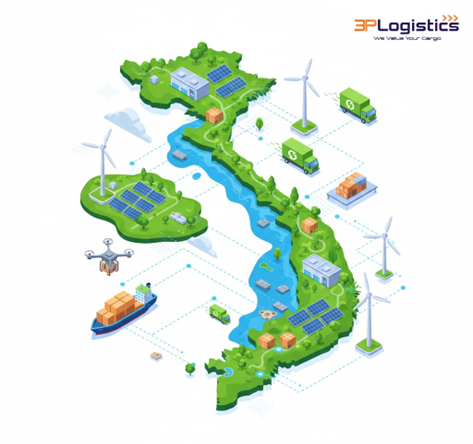
Given these shifting dynamics, logistics enterprises in Vietnam are required to strengthen their investment in advanced technologies, green infrastructure, and streamlined operational procedures to align with broader market trends. This entails not only adopting digital management systems, energy-efficient vehicles, and environmentally responsible warehousing practices, but also fostering a managerial mindset that prioritizes transparency, safety, and sustainability throughout the supply chain.
Furthermore, enterprises are encouraged to participate actively in national and international initiatives, standards, and commitments related to emission reduction; and to enhance collaboration with supply chain partners to optimize transportation networks, mitigate operational risks, and improve overall connectivity. The development of a high-quality workforce—equipped with technological proficiency, sustainability-oriented thinking, and the capability to operate modern logistics systems—remains a critical factor in enabling the industry to meet the evolving demands of global markets.
By proactively adopting these emerging trends, enterprises can not only strengthen their competitive capacity but also contribute to advancing a logistics sector in Vietnam that is more efficient, sustainable, and deeply integrated into global supply chains in the years ahead.